 Free Shipping on US orders above $49





What You Need to Know
What Is This Cable and What Does It Do?
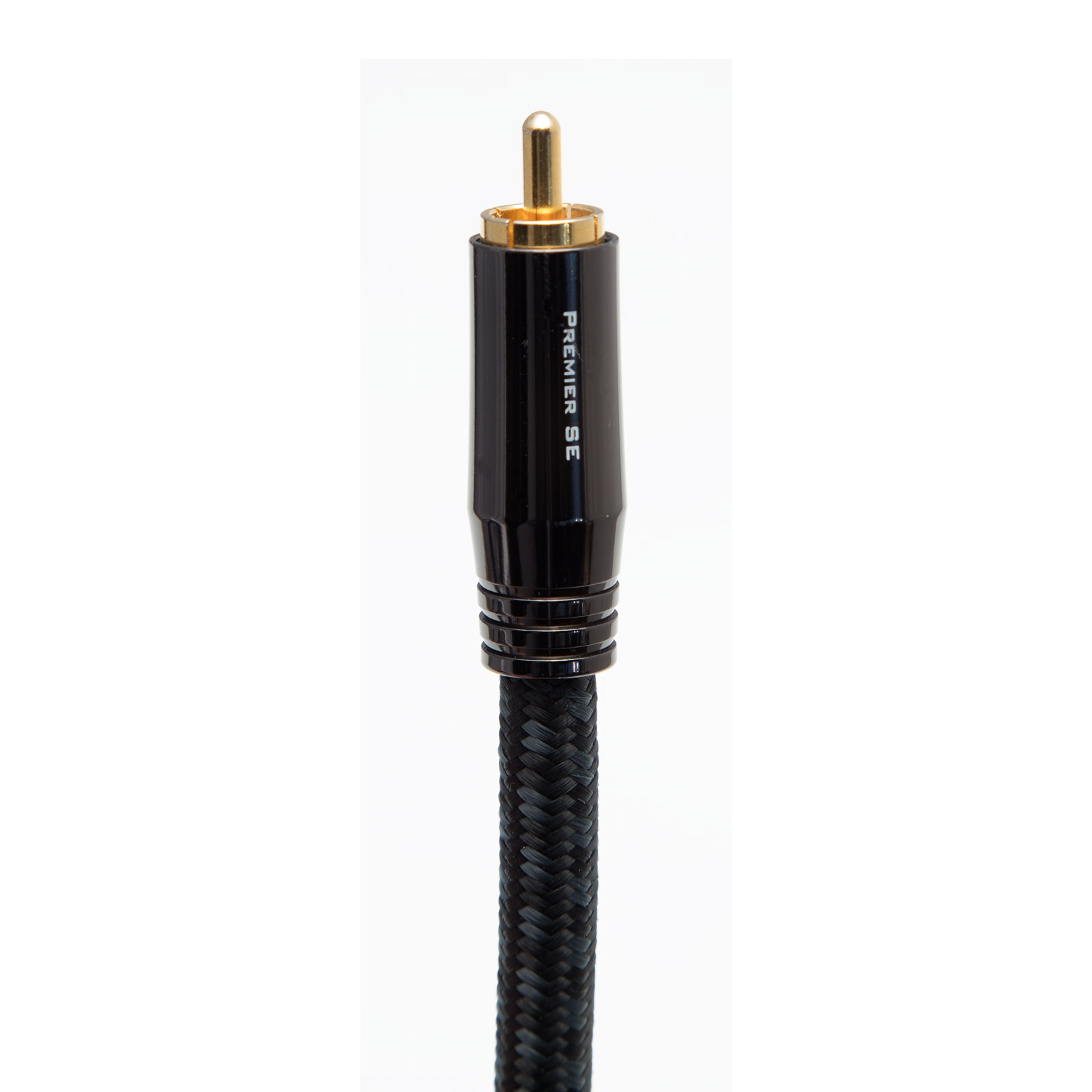
This is a coaxial digital cable. It carries a digital audio signal — the S/PDIF format — between two components using RCA connectors. S/PDIF stands for Sony/Philips Digital Interface. It is the most common standard for passing digital audio between home audio components.
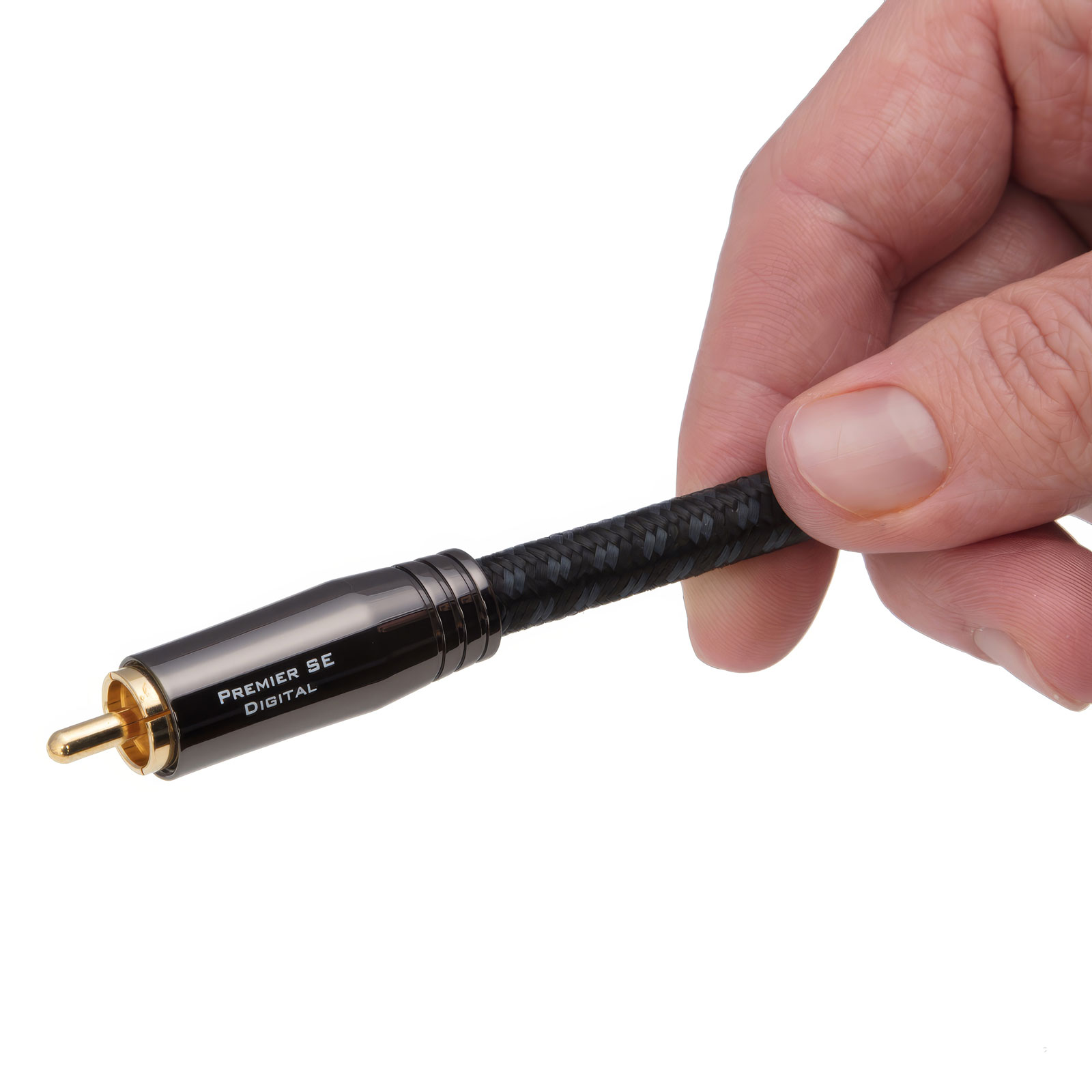
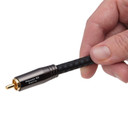
Both ends of this cable have RCA plugs — the round, single-pin connectors you'll find on CD players, DACs, AV receivers, disc players, and many streamers. If your source has a coaxial digital output and your DAC or receiver has a coaxial digital input, this cable is the connection you need.
This is not an analog cable. It does not carry the music signal the way a stereo interconnect does. It carries the digital data — the ones and zeros — from the component that reads or plays the music to the component that converts it to analog sound.
Why 75 Ohms Matters
Impedance is a measure of how a cable handles an electrical signal. The S/PDIF standard requires 75 ohms of impedance. This is not optional — it is baked into the spec. When a cable's impedance does not match, it can cause signal reflections inside the cable. Those reflections can create jitter — tiny timing errors that affect the digital signal.
A cheap RCA cable is usually not built to 75 ohms. It is designed for analog audio, where impedance matching is less critical. Using one for a coaxial digital connection is a common mistake. The Premier SE Coaxial is built specifically to the 75-ohm standard, so it does the job correctly.
What Makes This One Special?
The signal conductor is 18-gauge Cardas Grade One Copper with a 6% silver coating. Let's unpack that.
Cardas Grade One Copper is a high-purity copper made by George Cardas of Cardas Audio — one of the most respected names in cable design. It is drawn slowly and annealed (heat-treated) between each stage. Annealing removes stress and impurities from the metal, leaving a purer, more consistent conductor.
The 6% silver coating on the outside of each copper strand matters because of something called the skin effect. At high frequencies — like those in a digital audio signal — electrical current tends to travel along the outer surface of a conductor, not through the middle. Silver is one of the best electrical conductors known. Coating the outside of the copper with silver means the signal travels on the best possible surface.
18-gauge is a solid, substantial conductor size for a coaxial digital cable. A heavier gauge means more conductor material carrying the signal. Pangea Audio uses precision winding to keep the cable's geometry consistent from end to end. Consistency in geometry is how a coaxial cable holds its 75-ohm impedance along its full length.
The "SE" in the name stands for Signature Edition — Pangea's designation for cables built with upgraded conductor materials over their standard offerings.
Where Does This Cable Belong in Your System?
Use this cable any time you need a coaxial S/PDIF digital connection. The most common uses are connecting a CD or disc player to an external DAC, connecting a DAC to a digital transport, or connecting a source component to an AV receiver's coaxial digital input.
At 1.0 meter (about 3.3 feet), this length works well for components sitting on the same shelf or adjacent shelves of a rack. If your source and DAC are further apart, check whether we carry additional lengths. When in doubt, use the shortest cable that reaches comfortably — less cable means less exposure to outside interference.
Specifications
| Cable Type | Coaxial digital — S/PDIF, RCA to RCA |
| Impedance | 75 ohms |
| Signal Conductor | 18-gauge Cardas Grade One Copper with 6% silver coating; precision wound |
| Connector Type | RCA (both ends) |
Why We Like It
✔ Built to 75 ohms — The S/PDIF standard requires a 75-ohm cable. Most generic RCA cables are not built to this spec. This one is, so the connection works the way it is supposed to.
✔ Cardas Grade One Copper conductor — Made by one of the audio world's most respected cable designers, drawn and annealed for high purity and consistent conductivity.
✔ 6% silver coating — High-frequency digital signals travel on the outer surface of the conductor. A silver coating puts the best possible conductor material right where the signal runs.
✔ 18-gauge, precision wound — A substantial conductor size, wound precisely to hold a consistent 75-ohm impedance from end to end. Consistency matters for keeping signal reflections — and jitter — in check.
✔ 1.0 meter length — A practical, tidy length for most rack setups. Short enough to keep the signal path clean, long enough to route without pulling tight.
Frequently Asked Questions
What is a coaxial digital cable, and how is it different from an optical cable?
Both carry digital audio from one component to another, but they do it in different ways. A coaxial digital cable (like this one) carries the signal as an electrical current through a copper conductor. An optical cable (also called TosLink) carries the signal as pulses of light through a fiber strand. Coaxial connections are generally considered more robust for high-quality audio because they are less sensitive to cable bend angles and connector quality variation. If your components have both options, either can work — the best choice often comes down to which type your specific components handle better.
Can I use a regular analog RCA cable for a coaxial digital connection?
Many people do, but it is not the right tool for the job. The S/PDIF digital standard requires a cable built to 75-ohm impedance. Standard analog RCA cables are not built to that spec. The mismatch can cause signal reflections inside the cable, which create jitter — tiny timing errors in the digital signal. A cable built specifically to 75 ohms, like the Premier SE Coaxial, handles the connection correctly.
What is S/PDIF, and what audio formats does it carry?
S/PDIF (Sony/Philips Digital Interface) is the standard used for coaxial and optical digital audio connections on consumer audio gear. It carries stereo PCM audio up to 24-bit/192 kHz, as well as encoded surround formats like Dolby Digital and DTS. It cannot carry lossless surround formats like Dolby TrueHD or DTS-HD — those require HDMI. For stereo digital audio from a CD player, DAC, or two-channel source, S/PDIF via coaxial is a solid and proven connection.
What does "skin effect" mean, and why does a silver coating help?
At high frequencies, electrical current does not travel evenly through the full cross-section of a conductor. It concentrates near the outer surface. This is called the skin effect. Silver is an outstanding electrical conductor — it has the lowest electrical resistance of any pure metal. Coating the copper conductor with silver puts the best conductor material right at the surface where the signal actually travels.
What is Cardas Grade One Copper?
Cardas Grade One Copper is a high-purity copper material developed by George Cardas, founder of Cardas Audio and a widely respected figure in cable design. It is produced using a slow-draw process with annealing — a heat treatment — applied between each drawing stage. Annealing relieves stress in the metal and helps remove impurities, resulting in a more consistent, purer conductor. Pangea Audio uses it across several of their Premier-line cables.
What components can I connect with this cable?
Any two components that have coaxial S/PDIF connections — one with a coaxial digital output and one with a coaxial digital input. Common pairings include a CD player to a DAC, a digital transport to a DAC, a disc player to an AV receiver, or a streaming device to a receiver. Both ends of this cable use standard RCA connectors. If you are not sure whether your components have coaxial digital connections, give us a call at 800-942-0220 and we will help you figure it out.
How does this compare to a less expensive coaxial digital cable?
A basic coaxial digital cable may be built to 75 ohms on spec but often uses plain copper conductors, minimal shielding, and budget RCA connectors. The Premier SE Coaxial uses Cardas Grade One Copper with a 6% silver coating, precision winding for consistent impedance, and Pangea's quality connector fittings. The construction differences are real and verifiable. Whether you will notice a difference in your system is something we cannot promise — but this cable is built the right way, with honest materials.
Why Audio Advisor?
 40+ Years of Expertise — Since 1981, we’ve helped over a million music lovers find the right gear.
 60-Day Money-Back Guarantee — Take your time. Listen, enjoy, and make sure it’s right for you.
 Real Experts, Real Help — Our team is here to answer your questions at 800-942-0220, weekdays 9am–6pm EST.
 Free Shipping — On orders over $49, delivered to your door.
 Flexible Payment Options — Financing available so you can start listening now.
Want to dig deeper into digital audio connections and how coaxial S/PDIF compares to other options? Visit our Learning Center for easy guides and expert advice from our team.


