 Free Shipping on US orders above $49













What You Need to Know
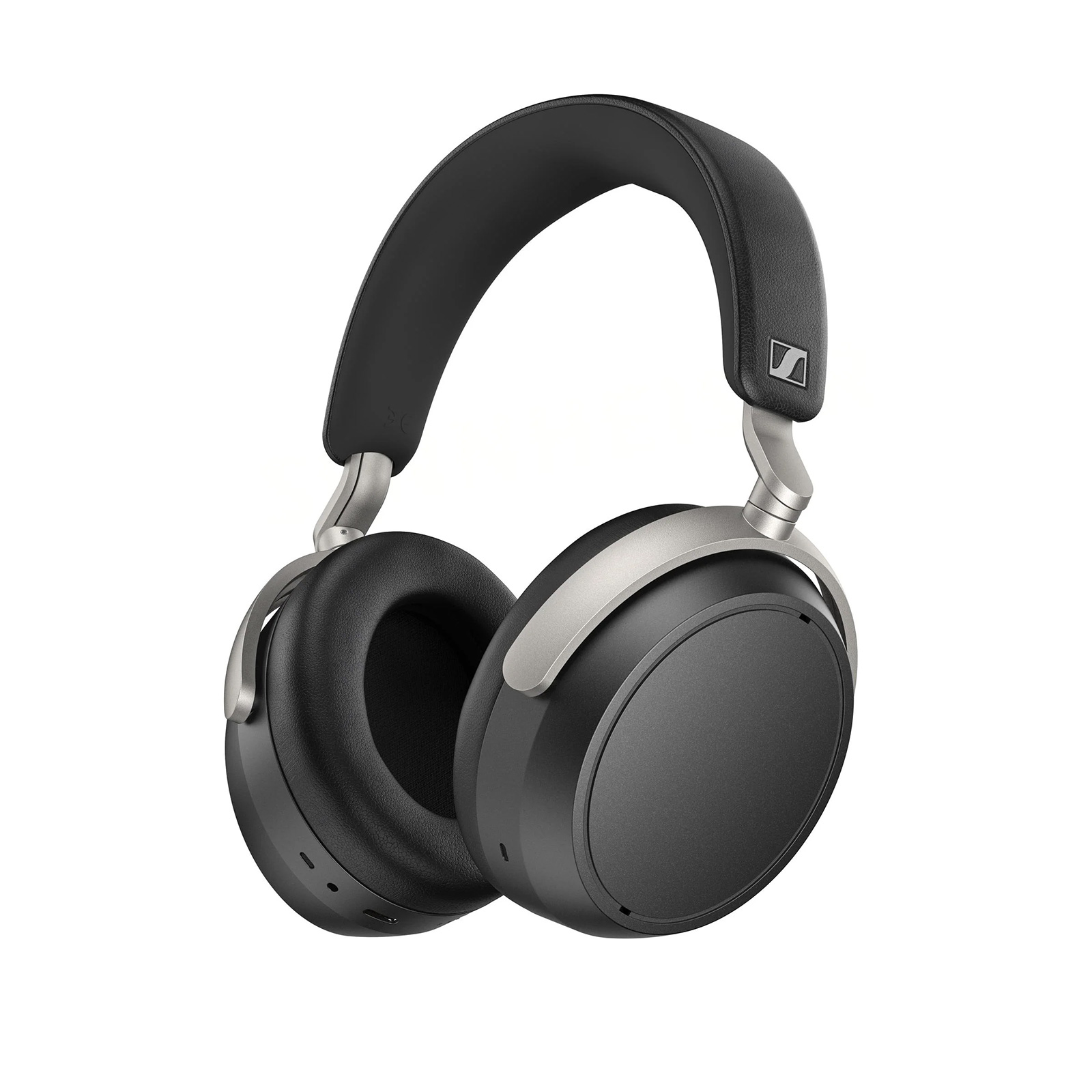
What the HDB 630 Is — and Why It's Different
For most of audio history, the words "audiophile headphones" and "wireless" didn't belong in the same sentence. Serious listening meant wires. It meant a dedicated amplifier. It meant staying in one place. The tradeoffs of Bluetooth — compressed audio, less-than-perfect sound quality — kept wireless headphones firmly in the "convenient but compromised" category.
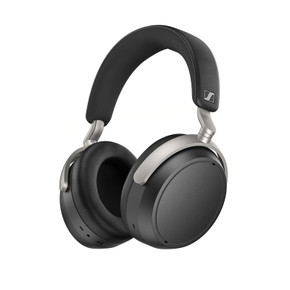
The Sennheiser HDB 630 is built to change that. It's the first wireless headphone Sennheiser has placed under its 600 Series umbrella — the same family as the beloved wired HD 600 and HD 650. That's a meaningful statement from a company that has been making reference-grade headphones for over 80 years. The HDB 630 isn't Sennheiser's entry into the consumer wireless market. It's their audiophile wireless statement, designed for listeners who have historically rejected wireless headphones precisely because the sound wasn't good enough.
Announced in October 2025, the HDB 630 shares its chassis with Sennheiser's popular MOMENTUM 4 but takes a completely different approach under the hood. Where the Momentum 4 is tuned for warmth and consumer-friendly bass, the HDB 630 is tuned for accuracy and neutrality, taking inspiration instead from the HD 560S — one of Sennheiser's reference-class wired headphones. According to Sennheiser's acoustic engineer Tobias Ritter, the goal was to deliver "balanced sound with extended yet controlled bass" so that listeners always get "a front-row seat to the emotional content in a recording, down to the last detail."
The Sound, and the Honest Story Behind It
The driver at the heart of the HDB 630 is a custom 42mm dynamic transducer manufactured at Sennheiser's own production facility in Tullamore, Ireland. This isn't an off-the-shelf driver — it's been designed specifically for the HDB 630, with additional acoustic treatments including a new acoustic mesh and a deeper back volume inside the earcup to control backwave reflections and smooth out the upper midrange and treble.
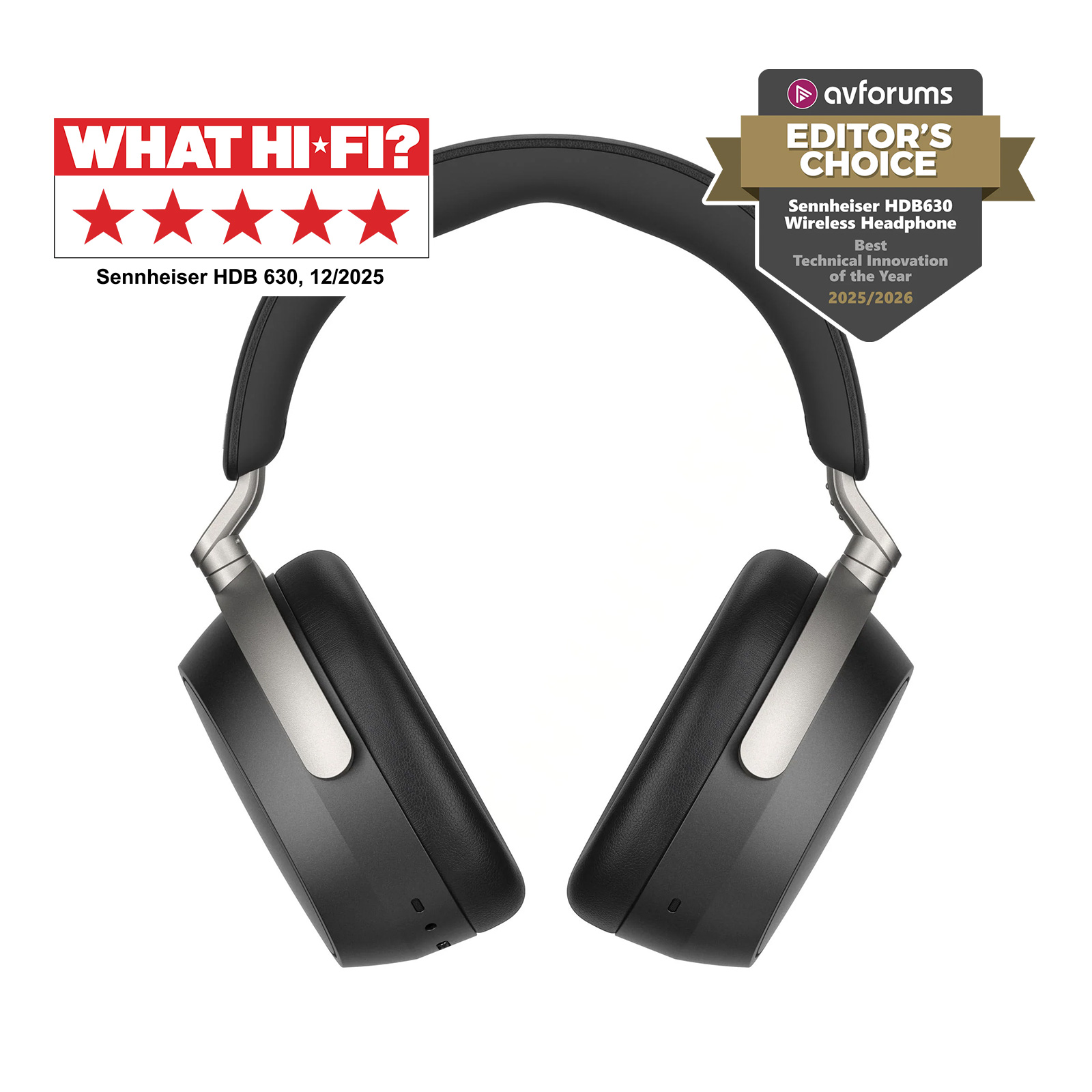
Because this is a closed-back design, achieving an open, airy soundstage — something that's usually easier with open-back headphones — was a real engineering challenge. Multiple reviewers noted that Sennheiser pulled it off. Reviewers at What Hi-Fi? wrote that the HDB 630 delivers "the most informative and entertaining sound we've heard from wireless headphones at this price," and Tom's Guide, who awarded 4.5 stars, called the sound "epic." Headphones.com went further, calling it "the most balanced, best-sounding wireless ANC headphone you can buy in 2025."
Here's the honest picture reviewers also shared: the HDB 630's neutral tuning is a strength and a limitation at once. If you're coming from bass-heavy consumer headphones or want an immediate "wow" factor out of the box, this isn't that headphone. The sound is measured and accurate — closer to what a sound engineer hears in a well-treated studio than what a typical consumer wireless headphone presents. Reviewer John Darko at Darko.Audio noted that it "demands a more selective application" — electronic music and well-recorded acoustic material shine, but heavily compressed pop tracks or mixed playlists may feel slightly lean compared to the warmer Momentum 4. Reviewers at Headphones.com flagged a slight treble dip in the mid-treble region that can make the presentation feel a touch closed-in on certain recordings. However — and this is significant — Sennheiser addresses this directly with the parametric EQ, giving listeners tools to adjust anything they don't like.
On noise cancellation: multiple reviewers noted that the ANC is effective — quieter environments become genuinely silent — but it isn't best-in-class against dedicated ANC specialists like the Sony WH-1000XM6 or Bose QuietComfort Ultra. SoundGuys measured it reducing noise by around 80–84%. The HDB 630's excellent physical isolation (from the closed-back design and deep earcups) supplements the ANC nicely, but if maximum noise blocking is your top priority, you should know going in that this is a sound-quality-first design, not an ANC-first design.
The BTD 700 Dongle: The Cleverest Accessory in the Box
This is where the HDB 630 does something genuinely clever. The headphones support Bluetooth 5.2 with aptX Adaptive — one of the highest-quality wireless audio codecs available. The catch: aptX Adaptive only works when both your headphones and your source device (phone, laptop, tablet) support it. Most iPhones and many Android phones don't support aptX Adaptive natively.
Sennheiser's solution is the included BTD 700 — a tiny USB-C dongle, about the size of a fingernail, that you plug into your phone or laptop's USB-C port. It gives any USB-C device instant aptX Adaptive capability. According to Sennheiser, only about 16% of smartphones support hi-res wireless audio natively; the BTD 700 extends that to around 80% of devices via their USB-C port. Reviewers at What Hi-Fi? tested this on an iPhone 16 and a Samsung Galaxy S21, and confirmed that upgrading from standard AAC or aptX to aptX Adaptive through the dongle produced a noticeable improvement in clarity and solidity. The dongle is also sold separately for around $60 — it's included with the HDB 630 at no extra charge.
An additional bonus: tapping the BTD 700 dongle three times enables a low-latency mode, reducing audio delay to around 30 milliseconds — fast enough for comfortable video and casual gaming use, according to Headphones.com.
Parametric EQ and Crossfeed: Tools Built for Audiophiles
Most wireless headphones offer a graphic equalizer — a set of preset sliders at fixed frequency points. The HDB 630 goes further with a full five-band parametric equalizer built into the Sennheiser Smart Control Plus app. A parametric EQ lets you set the exact frequency you want to adjust (not just the closest preset band), control how wide or narrow that adjustment is (the "Q" or bandwidth), and choose the filter type. It's the same kind of tool a mastering engineer uses in a studio.
Reviewers were enthusiastic about this. SoundGuys called it "by far one of my favorite implementations of a parametric EQ in a set of headphones." Headphones.com described it as "one of the best EQ implementations in any consumer headphone app, period." The app also allows A/B toggling between your custom EQ and the original sound, so you can hear exactly what your adjustments are doing.
Crossfeed is another feature borrowed from the audiophile world. When listening on headphones, instruments that are panned hard left or right sit completely inside your head — which can feel unnatural, especially on older recordings. Crossfeed gently blends a small amount of the left channel into the right, and vice versa, creating a more speaker-like presentation where sound feels like it's in front of you rather than trapped in your skull. Sennheiser notes this feature was inspired by their flagship HE 1 — a $58,000 electrostatic headphone system. It's a thoughtful touch for a $500 wireless headphone.
Who Is the HDB 630 Best For?
- You own great wired headphones and have always wished you could get similar sound quality without a cable — this headphone was built for you.
- You travel regularly and need one pair of headphones that works well on planes, in the office, and at home — without compromising on sound quality at either end.
- You listen to acoustic music, jazz, classical, folk, or detailed electronic music where transparency and resolution matter more than bass impact.
- You're a sound enthusiast who wants control over your headphone's sound — the parametric EQ gives you professional-level tools right in your pocket.
- You have an iPhone and have been frustrated that your premium wireless headphones couldn't deliver hi-res wireless audio — the included BTD 700 dongle solves that problem on the spot.
- You want a long-haul travel companion: 60 hours of battery life means you can go a full week of commuting without charging.
A note on who this might not be for: if heavy bass impact and a V-shaped sound signature (boosted bass and treble, scooped mids) is what you enjoy, the HDB 630's more neutral, balanced tuning may feel lean by comparison. It rewards music with real dynamics and resolution. Listeners who want the best-possible noise cancellation above all else may prefer looking at the Sony WH-1000XM6 or Bose QuietComfort Ultra instead, as both reviewers and our own reading of the research confirms those headphones edge ahead on pure noise blocking.
How It Connects — All Your Options
The HDB 630 offers more connection options than almost any other wireless headphone at this price:
Bluetooth 5.2 — supports SBC, AAC, aptX, aptX HD, and aptX Adaptive. Connect directly to any Bluetooth device. Pair with the included BTD 700 dongle for hi-res aptX Adaptive on any USB-C device.
USB-C wired — plug a USB-C cable directly into the headphone for bit-perfect, lossless digital audio up to 24-bit/96kHz. This is the purest possible connection when you're at your desk or on a computer. Note: iOS (iPhone) handles USB-C digital audio with bit-perfect playback; some Android devices resample to 48kHz.
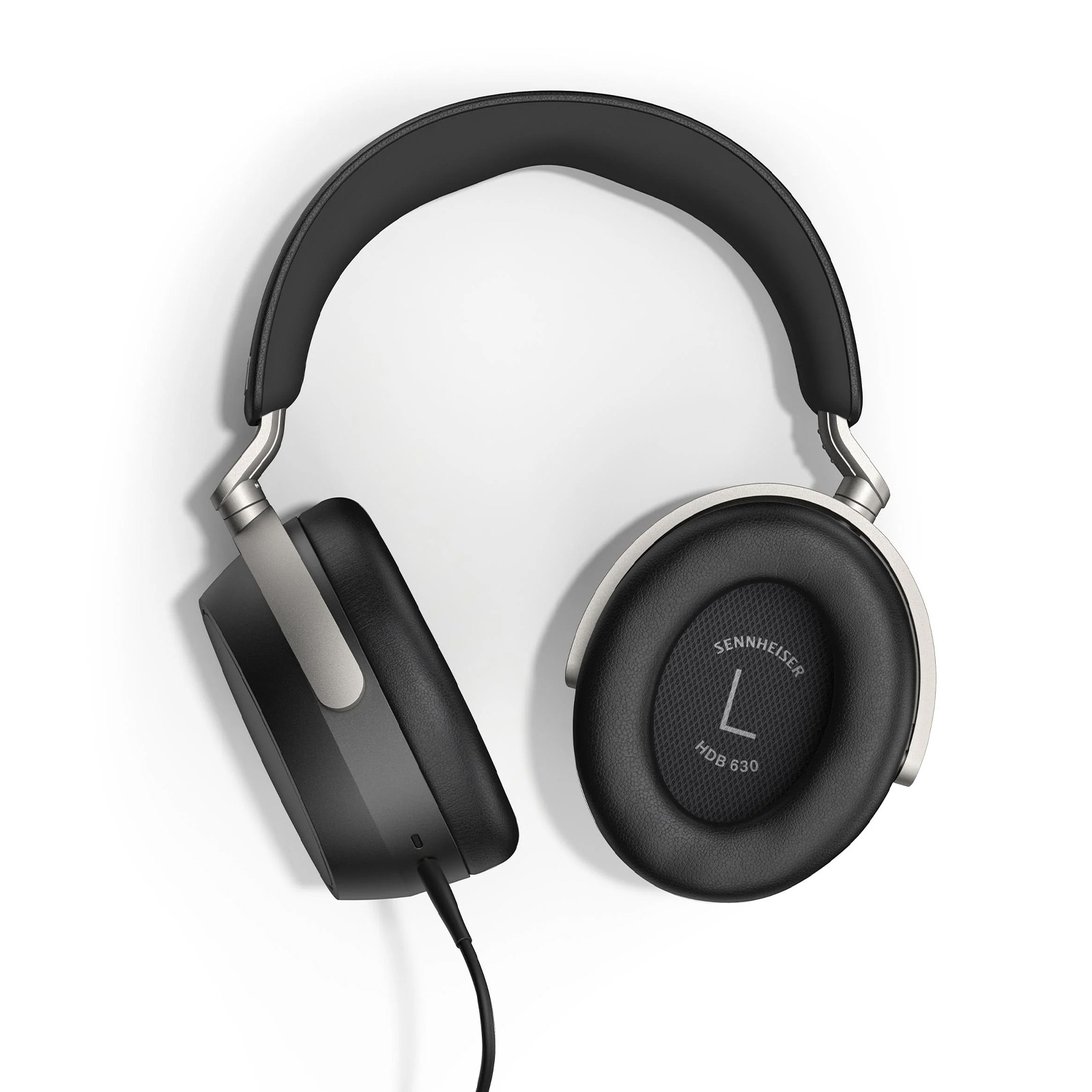
3.5mm analog wired — a traditional headphone cable is included for connecting to audio equipment, airplane seats, or any device with a standard headphone jack. In wired mode, you can also use the headphone purely passively if the battery runs out.
Smart Control Plus app (iOS and Android) — controls ANC level (adaptive or custom), transparency mode, parametric EQ, crossfeed, codec preference, on-head detection, firmware updates, and battery status. EQ settings are stored on the headphone itself, so your preferred tuning applies regardless of what you're listening from.
Pairs Well With
The HDB 630 is a complete, self-contained listening experience on its own. But here are a few things that complement it nicely:
- Portable DAC/Amps - When listening wired and you want even more resolution, a portable DAC/amplifier like those from iFi or Chord will drive the HDB 630 with exceptional quality via USB-C or 3.5mm.
- Desktop Streamers - Use the HDB 630 as your home headphone paired with a network streamer (like a Bluesound NODE) via analog output — a surprisingly clean and revealing pairing.
- Upgrade Cables - The included 3.5mm cable is a good starting point. A quality replacement cable can reduce handling noise and improve signal integrity for critical wired listening sessions.
- Hi-Res Music Resources - The HDB 630 resolves hi-res audio better than most wireless headphones. TIDAL and Qobuz both offer lossless and MQA streaming worth trying with these.
Features & Specifications
- Sennheiser's Own 42mm Driver — Made in Ireland The HDB 630's driver is manufactured at Sennheiser's facility in Tullamore, Ireland, with additional acoustic treatments — a new mesh baffle, deeper back volume, and extra damping — that Sennheiser engineered specifically to give this closed-back design the spacious, open-feeling sound typically associated with open-back headphones.
- BTD 700 Dongle Included — Instant Hi-Res Bluetooth for Your Phone The included BTD 700 USB-C dongle plugs into any USB-C device and gives it instant aptX Adaptive capability. This is a $60 accessory included in the box. Plug it into your iPhone, laptop, or Android phone, and it automatically connects to the HDB 630 for 24-bit/96kHz wireless audio — regardless of what Bluetooth codecs your phone natively supports.
- Five-Band Parametric EQ — Pro-Level Control in Your Pocket Unlike a standard graphic EQ with fixed frequency bands, the HDB 630's parametric equalizer lets you set the exact frequency, the width of the adjustment (Q), and the filter type. Five bands, ±6 dB range, with an A/B toggle to instantly compare your custom setting to the original sound. Settings are stored on the headphone — they apply to all sources, all the time.
- Crossfeed — Speaker-Like Imaging for Headphone Listening Crossfeed gently blends a small amount of the left channel into the right (and vice versa), making stereo music feel more natural and less "in your head." Particularly useful for classic albums with hard-panned mixes. This feature was inspired by Sennheiser's HE 1, a reference electrostatic headphone system.
- Up to 60 Hours Battery — Listen for Days 60 hours of rated playback on a single charge is among the longest in this class. A 10-minute quick charge adds up to 7 hours of listening. Full charge takes approximately 2 hours via USB-C. (Note: actual battery life will vary with volume level and ANC use. SoundGuys measured around 53 hours in their lab testing.)
- Bluetooth 5.2 with aptX Adaptive Supports SBC, AAC, aptX, aptX HD, and aptX Adaptive codecs. aptX Adaptive delivers up to 24-bit/96kHz wireless audio quality and provides greater signal stability in congested wireless environments. Note: hi-res 24-bit/96kHz mode must be enabled manually in the Smart Control Plus app — it is off by default to preserve battery life.
- USB-C Lossless Wired Input Connect via USB-C cable for truly lossless, bit-perfect digital audio — no Bluetooth compression at all. Supports up to 24-bit/96kHz. The HDB 630 functions as a USB DAC/headphone, meaning it processes the digital signal internally through its own electronics.
- Adaptive Noise Cancellation + Transparency Mode Adaptive ANC monitors your environment and adjusts cancellation automatically, or you can set a fixed custom level in the app. Transparency mode lets sound in when you need to hear your surroundings. ANC is effective and hiss-free, though reviewers consistently note it isn't class-leading against Sony and Bose's specialized ANC designs.
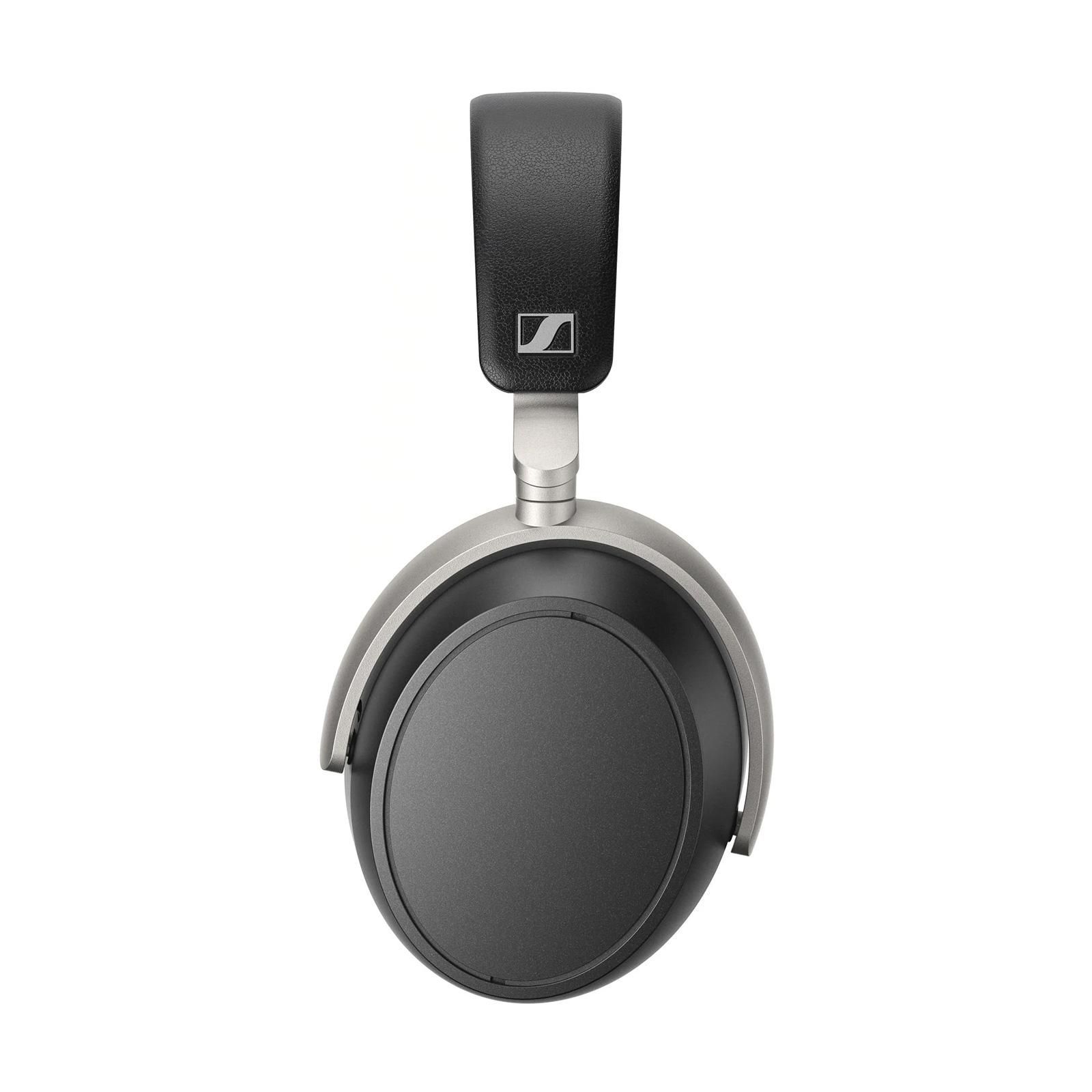
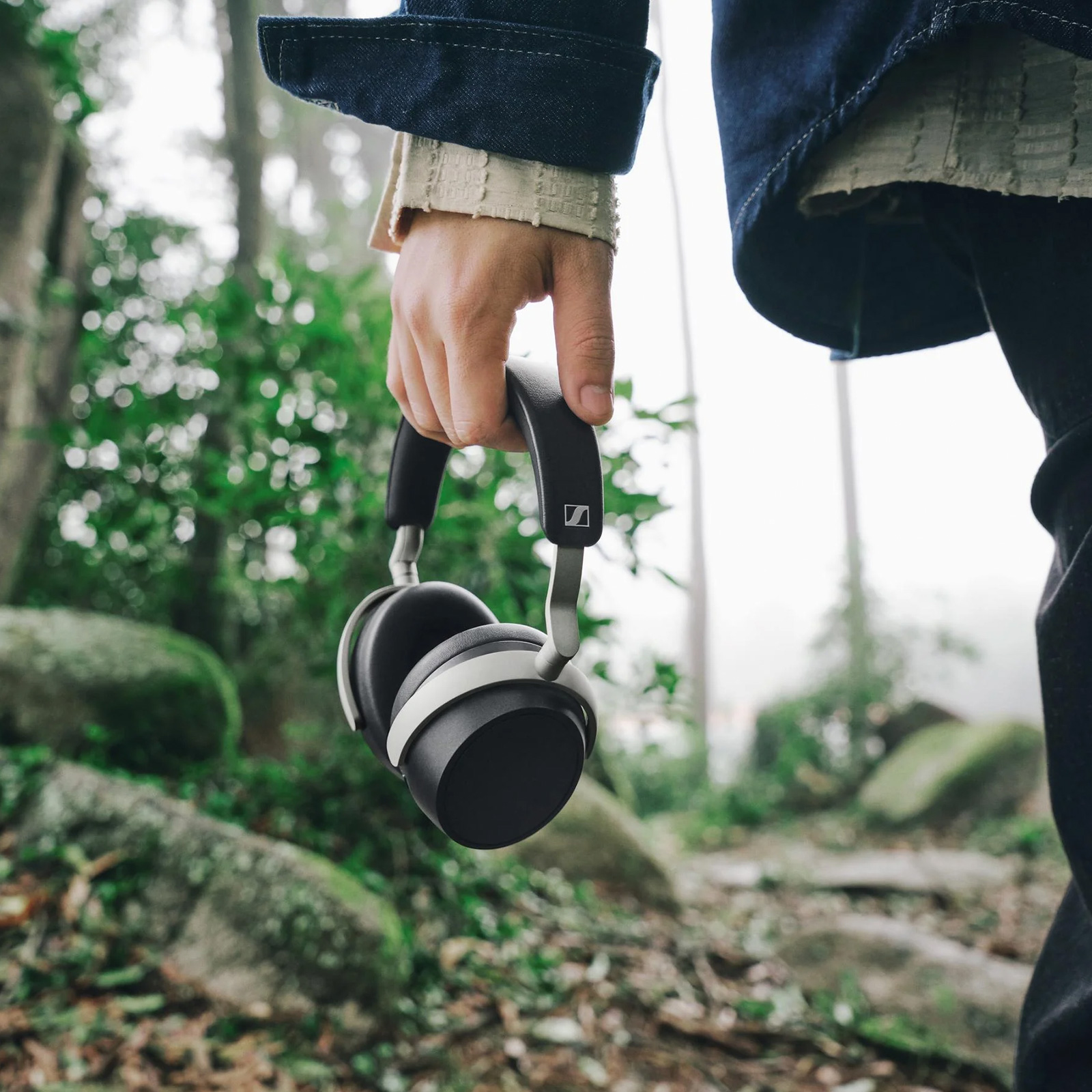
- All-Day Comfort: 311g, Japanese Leatherette, Low Clamping Force At 311 grams, the HDB 630 is on the lighter end for a full-size over-ear. The headband is wrapped in Japanese protein leatherette from IDEATEX™, known for its soft feel and durability. Reviewers consistently praised the comfort for multi-hour listening sessions, though listeners with larger ears should note that the earcup openings are modestly sized.
- Multidevice Controls & On-Head Detection Touch controls on the right earcup handle volume, playback, and ANC adjustments. Auto-pause when you take the headphones off (on-head detection). Voice assistant access. All configured via the Smart Control Plus app.
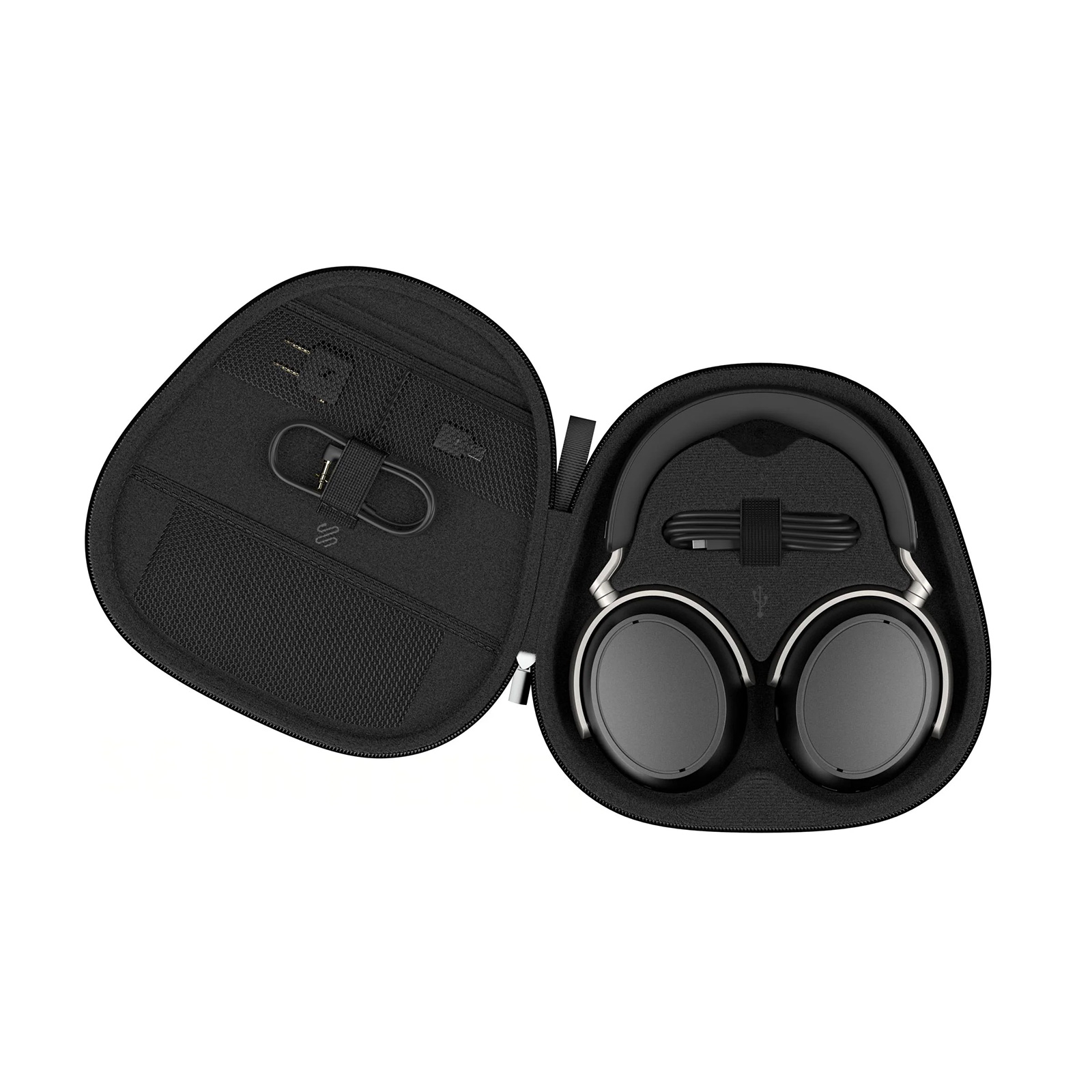
- Foldable Design with Hard-Shell Travel Case The HDB 630 folds flat for travel and fits in the included hard-shell carrying case. The matte black finish resists fingerprints. No IP water resistance rating — avoid heavy rain or moisture.
- Voice Control & Multi-Device Pairing Compatible with voice assistants (Google Assistant, Amazon Alexa, Siri via connected device). Pairs with multiple devices simultaneously for quick switching.
Frequently Asked Questions
What's the BTD 700 dongle and why does it matter?
The BTD 700 is a tiny USB-C dongle that you plug into your phone, tablet, or laptop. It acts as a high-quality Bluetooth transmitter, giving your device aptX Adaptive capability even if it doesn't support that codec natively. Most iPhones and many Android phones don't support aptX Adaptive on their own — the dongle solves that problem. The result is higher-resolution wireless audio (up to 24-bit/96kHz) from virtually any device with a USB-C port. It's sold separately for around $60 and is included in the HDB 630 box at no extra charge.
How does the HDB 630 compare to the Sennheiser Momentum 4 Wireless?
The Momentum 4 and HDB 630 share the same chassis, but they have very different sound philosophies. The Momentum 4 is warm and bass-forward — fun and engaging for all kinds of music. The HDB 630 is neutral and accurate, tuned closer to Sennheiser's reference wired headphones. The HDB 630 also adds the BTD 700 dongle, a parametric EQ (unavailable on the Momentum 4 in the app), crossfeed, and the USB-C digital audio input. Reviewed side by side by Darko.Audio, the HDB 630 resolves more midrange detail and instrument texture, while the Momentum 4 remains more forgiving and crowd-pleasing on mixed playlists. The HDB 630 costs roughly twice as much.
Is the noise cancellation good enough for travel?
It depends on your expectations. The ANC is effective — in a quiet room it will feel nearly silent, and on a plane or train it meaningfully reduces low-frequency engine rumble. SoundGuys measured it reducing noise by around 80–84%. That said, if you're specifically looking for the most aggressive noise cancellation available, the Sony WH-1000XM6 and Bose QuietComfort Ultra edge ahead. Multiple reviewers noted this clearly. The HDB 630 also benefits from very good passive isolation (from the closed-back design and deep earpads), which supplements the ANC. If sound quality is your priority and good-but-not-maximum ANC is acceptable, the HDB 630 is a strong travel choice.
Does the HDB 630 work well with an iPhone?
Yes — and the BTD 700 dongle is the reason. iPhones don't support aptX Adaptive natively, but plugging the BTD 700 into your iPhone 15 or newer (iPhone 15 and later have USB-C) gives you a true aptX Adaptive connection to the HDB 630. What Hi-Fi? tested this on an iPhone 16 and confirmed a noticeable improvement in sound quality over AAC. If you have an older iPhone with Lightning, you'll need a Lightning-to-USB-C adapter in addition to the BTD 700.
What does "hi-res mode" mean and do I need to enable it?
Hi-res mode enables 24-bit/96kHz wireless audio transmission via aptX Adaptive. It's turned off by default in the Smart Control Plus app to preserve battery life. You need to turn it on manually in the app's settings — look for "Audio mode priority" and set it to "Hi-Res 24bit/96kHz." Once enabled, it will apply whenever you're connected via aptX Adaptive (either natively or through the BTD 700 dongle). Without this setting, the headphones still sound excellent — just not at the maximum resolution they're capable of.
Is the parametric EQ difficult to use?
Not really, though it does reward some experimentation. The Smart Control Plus app presents the parametric EQ visually on a frequency graph, and you can see your adjustments in real time. If "parametric EQ" sounds intimidating, start with the built-in genre presets or the simpler graphic EQ mode — there are options for every level of interest. The parametric EQ is there when you want to go deeper, and reviewers consistently praised how approachable Sennheiser made the interface. One genuinely useful feature: the A/B toggle lets you instantly switch between your custom EQ and the original sound, so you can always hear exactly what you're changing.
Can I use the HDB 630 if the battery runs out?
Yes. The included 3.5mm analog cable lets you listen passively even with a dead battery. You can also use the USB-C cable for both charging and listening simultaneously in digital wired mode.
What else do I need to get the most out of the HDB 630?
Very little — the box is unusually complete. The BTD 700 dongle, both cable types, an airline adapter, and a carrying case are all included. To unlock full hi-res wireless performance, you'll want a USB-C phone or device (iPhone 15+, or a modern Android or laptop). Download the Smart Control Plus app on your phone to access parametric EQ, crossfeed, and ANC settings. Beyond that, a good streaming service like TIDAL or Qobuz with lossless or hi-res content is worth having to let the HDB 630 show what it can do.
Are the earcups comfortable for people with larger ears?
The HDB 630 is generally praised for comfort and low clamping force — reviewers routinely wore them for four or more hours without fatigue. However, a couple of reviewers did note that the earcup openings are modestly sized. If you have larger ears, we'd recommend trying them if possible before committing. As always, you have 60 days to return them to us if the fit doesn't work for you.
What's in the Box
- Sennheiser HDB 630 wireless headphones
- BTD 700 USB-C Bluetooth transmitter dongle
- USB-C audio + charging cable
- 3.5mm analog audio cable
- Airline adapter (for in-seat headphone jacks)
- Hard-shell protective travel case
- Documentation / quick start guide
 40+ Years of Expertise — Since 1981, we've helped over a million music lovers find the right gear.
 60-Day Money-Back Guarantee — Take your time. Listen, enjoy, and make sure it's right for you.
 Real Experts, Real Help — Our team is here to answer your questions at 800-942-0220, weekdays 9am–6pm EST.
 Free Shipping — On orders over $49, delivered to your door.
 Flexible Payment Options — Financing available so you can start listening now.
Want to Learn More?
Curious about how wireless audio codecs work, what parametric EQ actually does, or how to choose between open-back and closed-back headphones? Our Learning Center has guides that explain all of it in plain language.
Visit the Audio Advisor Learning Center for headphone guides, streaming tips, and everything you need to listen better.


